General Questions and Pomeranian Facts
What is a Pomeranian?
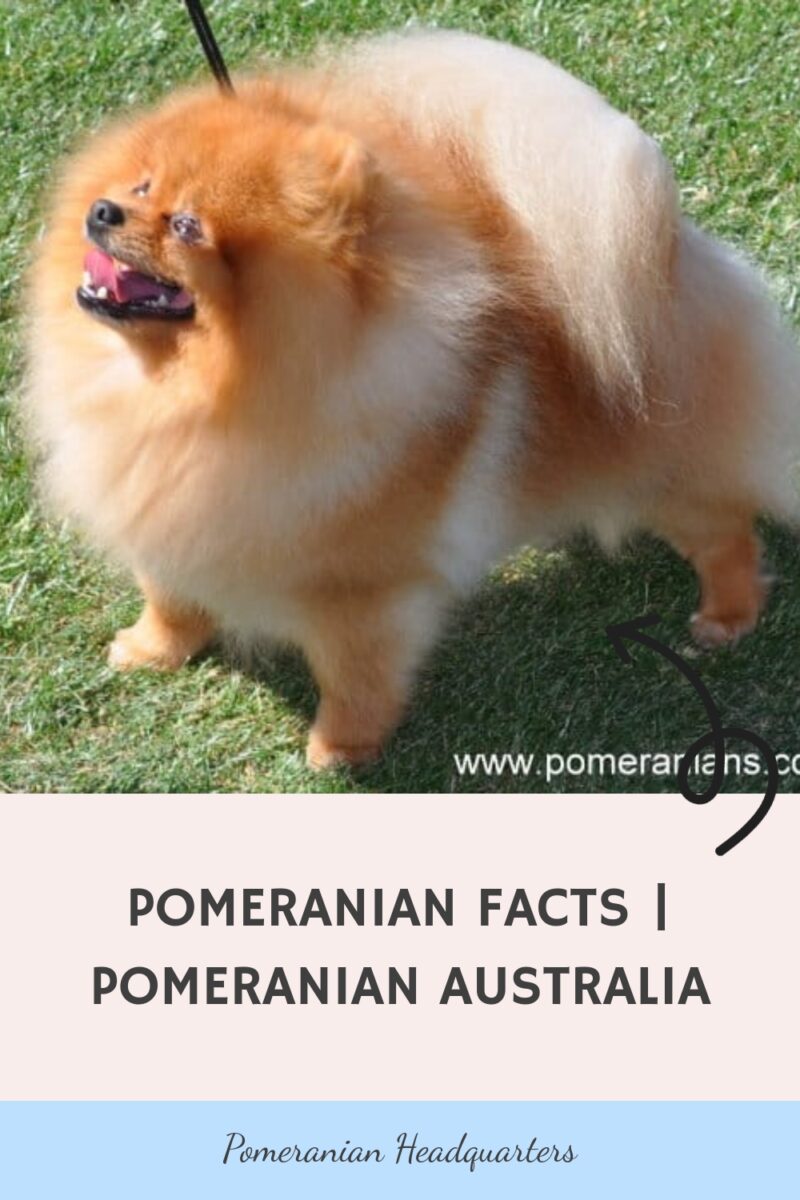
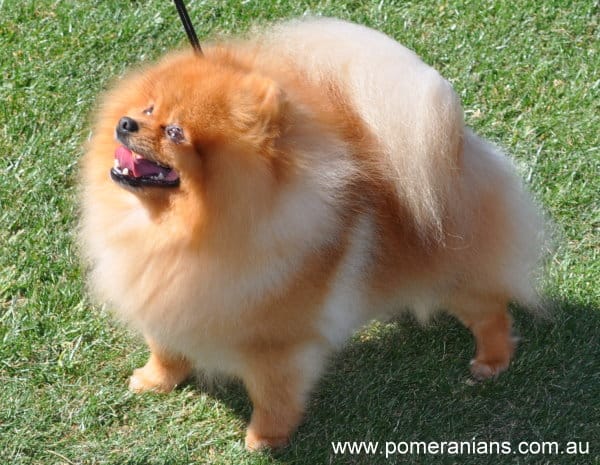
The Pomeranian is a small toy breed known for its lively personality, fox-like expression, and thick double coat. Despite its small size, it is a bold and confident companion dog with a strong presence.
For a full overview of the breed, read our complete Pomeranian breed profile.
How long can Pomeranians live?
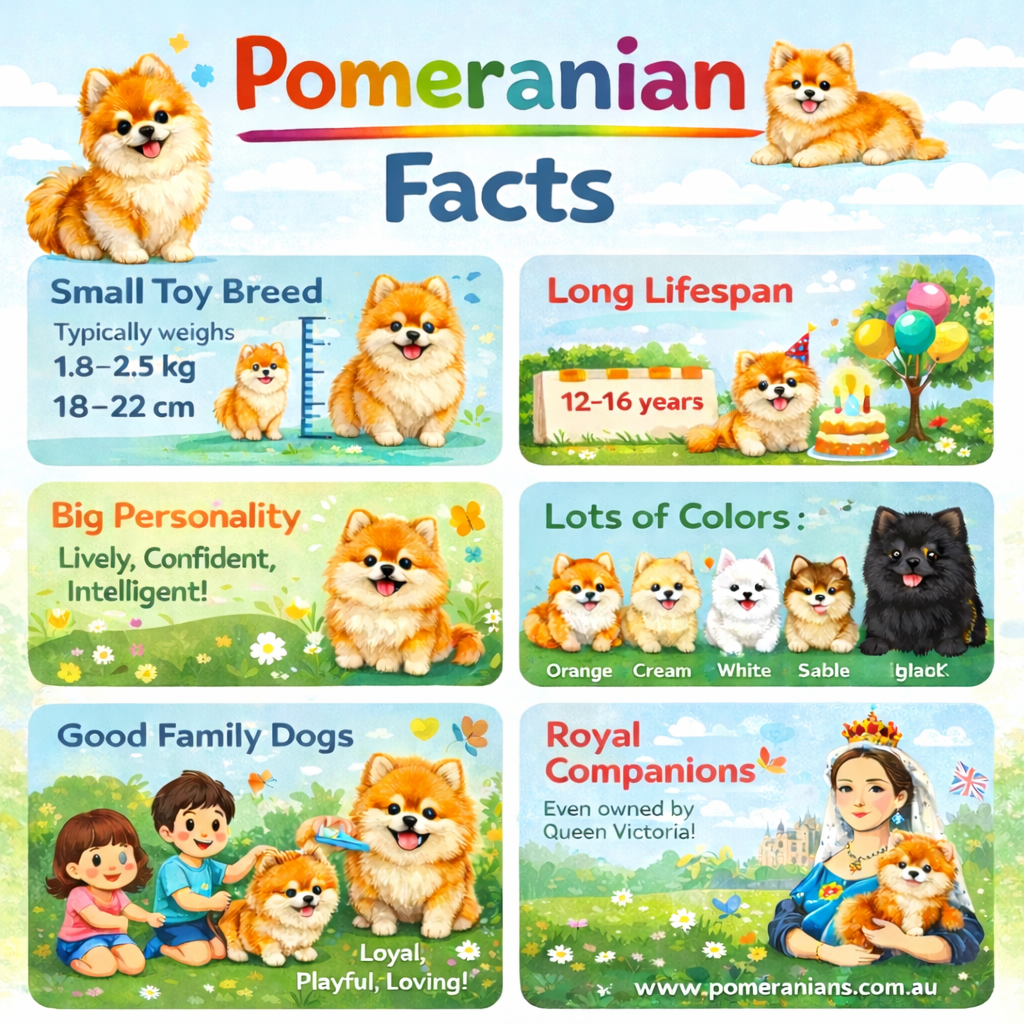
Pomeranians are a long-lived breed, with many living between 12 and 16 years, and some even longer with excellent care.
Lifespan depends on breeding quality, diet, dental care, and overall health management.
For a detailed breakdown, read the full Pomeranian lifespan guide on the Pomeranian headquarters.
What is the average Pomeranian lifespan?
The average lifespan of a Pomeranian is typically between 12 and 16 years, although this can vary depending on genetics and care.
Good nutrition, dental care, and maintaining a healthy weight all contribute to longevity.
How big does a Pomeranian dog get?
Pomeranians are a compact toy breed. Their thick double coat can make them appear larger than they really are, but they should remain small, balanced, and fine-boned.
What are teacup Pomeranians?
The term “teacup Pomeranian” is not an officially recognised breed or size. It is a marketing term often used to describe very small Pomeranians.
Extremely small dogs may be more fragile and can have increased health risks. Responsible breeders focus on breeding healthy dogs that meet the breed standard.
What are different types of Pomeranians?
Pomeranians come in a wide variety of colours and coat patterns, but they are all the same breed.
Terms such as teacup, miniature, or throwback are not recognised breed types.
Are Pomeranians good dogs?
Pomeranians are intelligent, loyal, and affectionate companions. They thrive on attention and enjoy being involved in everyday life.
With proper training and care, they make excellent pets.
Can a Pomeranian live in a city apartment?
Yes, Pomeranians adapt very well to apartment living due to their small size. They do not need large spaces but still require daily exercise and mental stimulation.
How well do Pomeranians cope with small children?
Pomeranians can live with children, but they are a small and delicate breed and can be easily injured by rough handling.
They are best suited to homes with older, gentle children who understand how to interact with small dogs.
How do you potty train a Pomeranian?
Pomeranians respond well to consistent, patient training. Frequent toilet breaks, routine feeding times, and positive reinforcement are key to success.
For step-by-step guidance, read our full Pomeranian potty training guide.
How much exercise does a Pomeranian need?
Pomeranians do not require excessive exercise, but they still need daily activity to stay healthy and happy.
Short walks, playtime, and mental stimulation are important to maintain fitness.
Do Pomeranians have teeth problems?
Dental issues are common in Pomeranians due to their small mouths and crowded teeth. Without proper care, this can lead to tartar build-up and gum disease.
Regular brushing and veterinary dental care are essential.
What are Pomeranian puppy uglies?
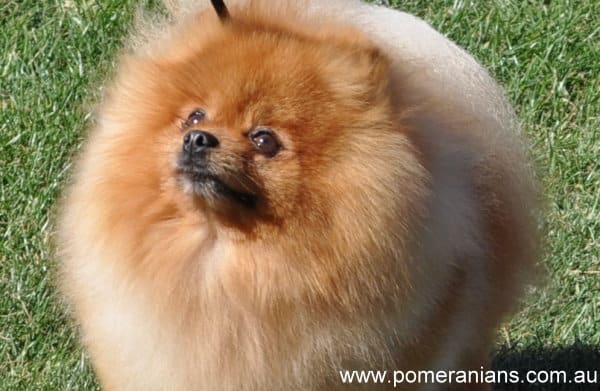
The puppy uglies is a normal stage of development in which a young Pomeranian sheds its soft puppy coat as the adult coat grows in.
During this stage, the coat may look thin or uneven, but this is temporary.
How much does a Pomeranian cost?
The price of a Pomeranian varies depending on breeding quality, pedigree, and location.
Responsible breeders invest in health, structure, and care, which is reflected in the price.
What are some interesting facts about Pomeranians?
Pomeranians were originally much larger working dogs and were bred down in size over time.
They have been owned by royalty, including Queen Victoria, and are known for their intelligence, alert nature, and bold personalities.
How Big Do Pomeranians Get?
Pomeranians are a toy breed and are small dogs when fully grown. Most adult Pomeranians are compact, fine-boned dogs with a lively expression and a thick double coat that makes them look larger than they really are.
For a more detailed guide to Pomeranian size, height, and weight, read our full article on Pomeranian growth and size.
How much do Pomeranians weigh full-grown?
A full-grown Pomeranian will usually weigh within the breed standard range, although exact weight can vary depending on bone, breeding, and overall build. A big coat can also make a Pomeranian appear heavier or larger than it truly is.
The Pomeranian ideally weighs: Females should weigh 2-2.5 kgs, and males should weigh 1.8 – 2 kgs.
A full-size Show Pomeranian weighs 2-3 kgs, which is the average weight of a show dog. This is a small Pomeranian dog. Pet Poms often weigh more, but officially, there are no different Pomeranian sizes.
When do Pomeranians stop growing?
Pomeranians typically reach most of their height and basic size by around 6–8 months of age; they are not fully mature at this stage.
Most Pomeranians continue to develop in body, coat, and overall finish until approximately 12 to 18 months of age. Coat growth, bone development, and substance all take time, particularly in well-bred dogs.
It is important to understand that a young Pomeranian may appear small or immature early on, but will continue to change significantly as it matures.
How tall is a Pomeranian?
Pomeranians are a small, short-backed toy breed. Height can vary slightly among individual dogs, but they should remain compact and balanced in appearance rather than long, coarse, or oversized. Pomeranians are usually 18 to 24 cms in height.
What health problems do Pomeranians have?
Like all breeds, Pomeranians can be prone to certain health conditions. Some of the more commonly seen issues include dental disease, luxating patella (loose kneecaps), and tracheal sensitivity.
Responsible breeding, correct diet, and ongoing care play an important role in reducing the risk of many of these problems.
For a complete overview of Pomeranian health concerns and how to manage them, see our detailed health guide.
Why is my Pomeranian wheezing or gagging?
Wheezing, gagging, or a honking-type cough in Pomeranians is often associated with tracheal sensitivity or tracheal collapse, a condition more commonly seen in small breeds.
These symptoms may occur when the dog is excited, pulling on a collar, or after eating or drinking.
If your Pomeranian is showing ongoing or severe symptoms, it is important to seek veterinary advice to determine the cause and appropriate management.
For more information, read our full guide to Pomeranian health problems.
Coat, Shedding and Allergies
Do Pomeranians shed a lot?
Pomeranians do shed, as they have a thick double coat. Shedding can be more noticeable during seasonal coat changes, when they “blow coat.”
Regular brushing and proper grooming help manage shedding and keep the coat in good condition.
For a complete guide on shedding, coat care, and grooming, read our full article on Pomeranian shedding.
Are Pomeranians hypoallergenic?
No, Pomeranians are not considered hypoallergenic. They shed and produce dander, which can trigger allergies in sensitive individuals.
Although some people may tolerate them better than heavier shedding breeds, Pomeranians are not a suitable choice for those with significant dog allergies.
Behaviour and Personality
What is the personality of a Pomeranian?
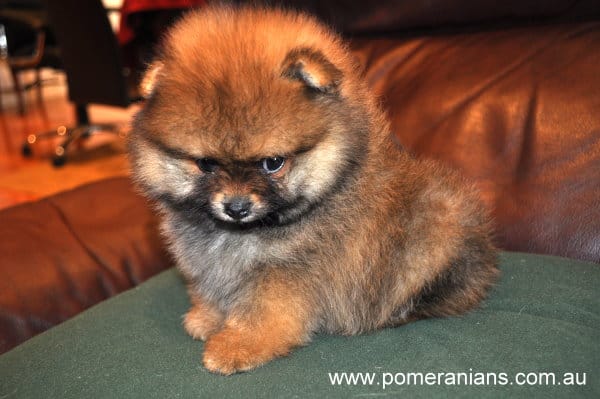
Pomeranians are intelligent, lively, and affectionate companion dogs. They are known for their bold, confident nature and strong attachment to their owners.
Despite their small size, Pomeranians often have a big personality and enjoy being involved in everyday life.
For a complete guide to temperament, behaviour, and training, read our full article on Pomeranian personality and characteristics.
Are Pomeranians good pets?
Yes, Pomeranians can make excellent pets for the right home. They are loyal, loving, and highly interactive dogs that thrive on companionship.
However, they do require proper training, socialisation, and consistent handling to bring out their best qualities.
To learn more about whether a Pomeranian is right for your lifestyle, read our full breed guide.
Why do some people say Pomeranians are yappy?
Pomeranians are naturally alert and vocal, which makes them excellent watchdogs. Without training, this can develop into excessive barking.
With early training and consistent boundaries, most Pomeranians can learn when it is appropriate to bark.
For training tips and behaviour advice, see our full guide in the training section
Why do some people say Pomeranians are difficult?
Pomeranians are intelligent and independent, which can sometimes be mistaken for stubbornness. Without proper guidance, they may develop undesirable habits such as barking or bossy behaviour.
With consistent training, structure, and positive reinforcement, Pomeranians are highly trainable and rewarding companions.
For more detailed advice, read our full guide to Pomeranian training.
Feeding and Diet
What should I feed my Pomeranian?
Pomeranians require a balanced diet designed for small breeds, including high-quality protein, healthy fats, and appropriate portion sizes.
Feeding the correct diet supports coat quality, energy levels, and overall health.
How often should I feed my Pomeranian?
Puppies generally require smaller, more frequent meals throughout the day, while adult Pomeranians are usually fed twice daily.
Consistent feeding routines help maintain stable energy levels and support healthy digestion.
How much should a Pomeranian eat?
The amount a Pomeranian should eat depends on age, weight, activity level, and metabolism.
Overfeeding can lead to weight gain, which is particularly harmful in a small breed like the Pomeranian.
What foods are dangerous for Pomeranians?
Some human foods are highly toxic to Pomeranians and must never be fed. These include chocolate, grapes, onions, garlic, xylitol, and certain nuts.
Even small amounts can cause serious illness in this small breed.
Can Pomeranians eat human food?
Some human foods can be safely fed in moderation, while others should always be avoided.
It is important to understand the difference, as feeding the wrong foods can lead to digestive upset or serious health problems.
Conclusion
Understanding the Pomeranian breed is essential for providing the best care and ensuring a happy, healthy companion. From size and lifespan to feeding, grooming, and behaviour, each aspect plays an important role in your Pomeranian’s overall wellbeing.
While this FAQ provides clear answers to the most commonly asked questions, every Pomeranian is an individual. Quality breeding, proper nutrition, consistent training, and ongoing care will all influence how your dog develops and thrives.
For more detailed information on any topic, explore the full guides available throughout this website. Taking the time to learn about your Pomeranian will help you make informed decisions and enjoy a rewarding lifelong companionship.
Copyright Pomeranians Australia. All Rights Reserved.
References and Further Reading:
[1] Leo, Denise. “Pomeranian Health Issues.”
[2] Denise Leo, “The Pomeranian Grooming Guide”.
[3] Denise Leo, “The Pomeranian Handbook”.
[4] Denise Leo “Training Your Pomeranian”.
Learn Everything About Pomeranians in The Pomeranian Handbook
( Printed and shipped in Australia).
The Pomeranian Handbook by Denise Leo